History of Minnesota lacrosse
Native History
Lacrosse is considered the most widely played team sport of its time in North America, with regional variations played with either one or two sticks of differing structures

In all its forms the native game was an athletic contest of great skill, pride and spiritual significance. It was so popular that many sports historians consider it the first original national pastime. The indigenous cultures believed the game was given to them by their Creator for his enjoyment. There was also a unique spiritual component to the game, as it was used to celebrate good times, used as a healing ritual and to honor the dead and even settle territorial and other disputes. You can’t say that about many other sports we play today. The face-Off used at the start of the game (toss-up) included the teams yelling their name of their Creator, with sticks raised to the sky. (see Ball Play Dance). This was to wake up the Creator and let him know his people were playing the game. The tradition of raised sticks in a huddle and yelling (yelling out your team’s name) is still a part of the modern version of the game.

What’s in a name
The word la crosse “the stick” was given to the game by the French Jesuit missionaries who thought the stick used to play the game by the Huron, Iroquois Confederacy (Seneca, Tuscarora, Mohawk, Onondaga, Cayuga and Oneida) and other eastern tribes looked like the bishops crosier (bent stick) used in religious ceremonies. (see stick maker picture below). The French fur traders also called it La Crosse because similar sports like tennis and croquet played in France with a curved racquet were called jouer a’ la crosse.

In the Ojibwa language the game was called Baa gaa do we. The Dakota word for lacrosse is Ta ka psi ca pi “ball game”. The Cherokee called it Is tap o li. But the Mohawak had one of the best names for the game Ta war a thon, which means “Little Brother of War”. This was a pretty accurate way to describe the game because of the physical skills and stamina it took to play it really did to prepare braves for war.
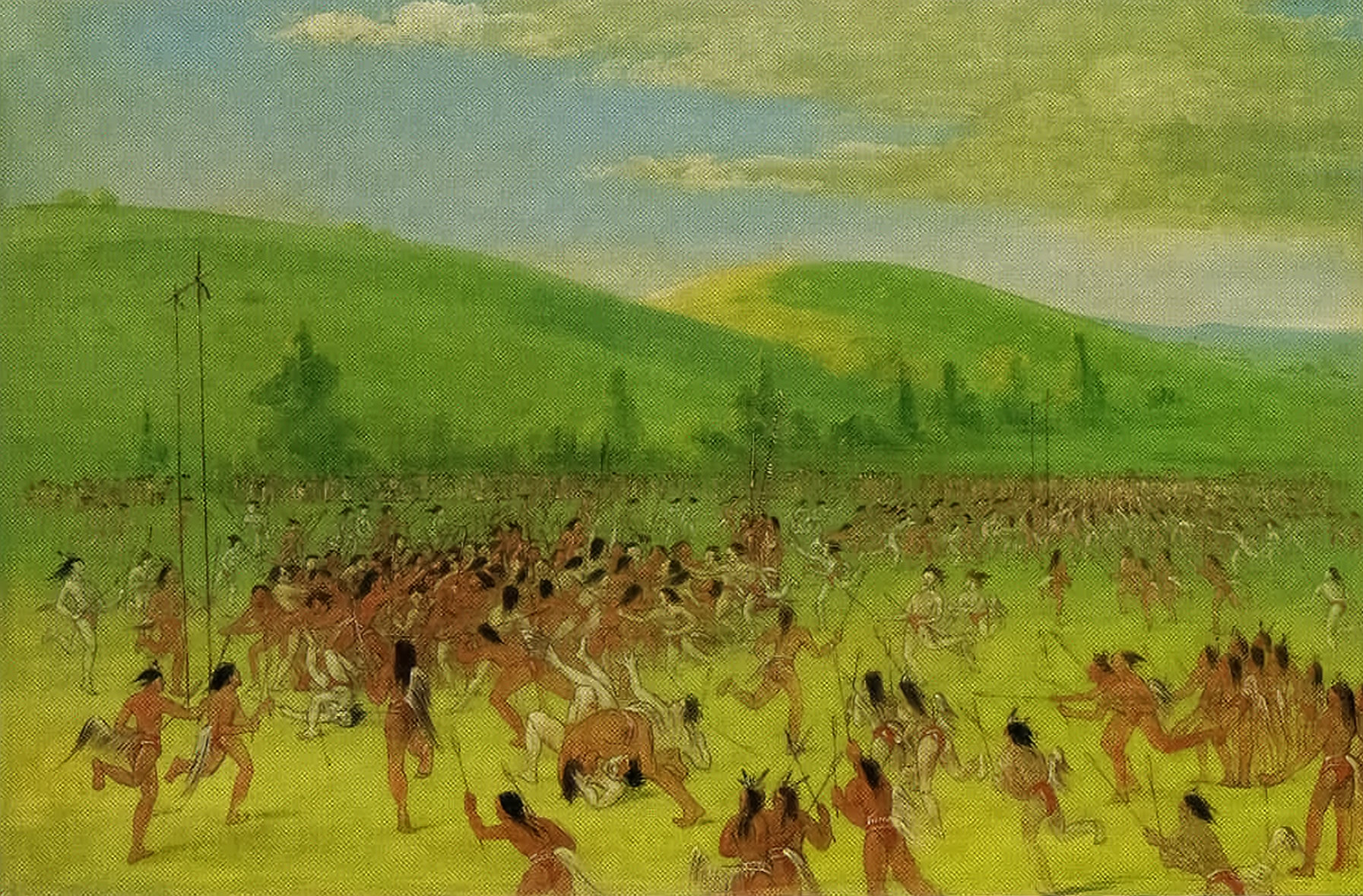
Another interesting fact is that the grandparents (elders) were the officials (the keepers of the rules, wisdom and what was wrong and right). In the George Catlin painting (see below) of a Choctaw ball game you see the elders (grandmothers) lined up along the side of the field. They would run on the field to break up fights and smack the offending players with hickory sticks. Back then, just like today you don’t want to do anything to dishonor your grandmother, school team, family, tribe, or community. In this game you can see the goal posts that the players had to carry the ball through or shoot it through.
How Lacrosse Defeated the British at Fort Michilimackinac
There is one great story every lacrosse player should know about how a lacrosse game between the Sauk and Ojibwa was used to plan a surprise attack and capture the British held fort Michilimackinac on Lake Michigan in 1763. The British were at war with the French and local tribes were not happy with the English and the trading terms they offered for furs. They preferred the way the French had traded with them, and decided it would be a good gesture to take the Fort from the British and give it to the French. So, they devised a plan to use a lacrosse game to distract the British soldiers so they could take the fort. The date of the game was set to coincide with the English kings birthday when the soldiers would be free from their duties and ready to be entertained by the public wagering on the game. On the day of the game the plan had the women of both tribes line up along the wall in front of the main gate with tomahawks, knives and war clubs under their shawls and blankets. As the game moved closer to the main gate the ball was thrown inside the players dropped their sticks and grabbed the weapons from the women and stormed the unsuspecting British capturing the fort and all the goods inside. It worked!
The Native Game in Minnesota
The stick ball or the ball game version of lacrosse played in the Great Lakes region consisted of a stick, made from ash or willow with a circular dream catcher like webbing on the end that held the ball. The round ball was made of wood, rock or clay with deer hide wrapped and sewn around it. The stick shape and rules were different from the larger stick used by the eastern tribes (Iroquois, Huron, ect.) and two stick game played by southern tribes (Cherokee, Seminole, Choctow, etc). The Midwest version of the game usually pitted village against village with sometimes 100 players on a side. The two dominant tribes in Minnesota were the Ojibwa (Chippewa) in the north and Sioux (Dakota, Nakota and Lakota) in the south.
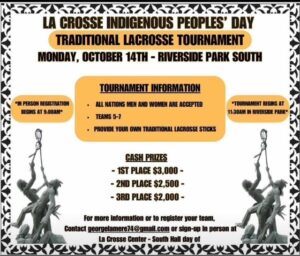
Other local tribes that played included the Winnebago, Menominee, Fox, and Sauk. The town of Ball Club near Bemidji was named by the Ojibwa because the sandy beaches offered a great place to play the game. Likewise, LaCrosse Wisconsin is also named after the game because fur traders witnessed the Winnebago, Menominee and other local tribes playing the game there during fur trader rendezvous, and named it “the prairie of lacrosse”. It was eventually shorted to just LaCrosse.

Game of Celebration
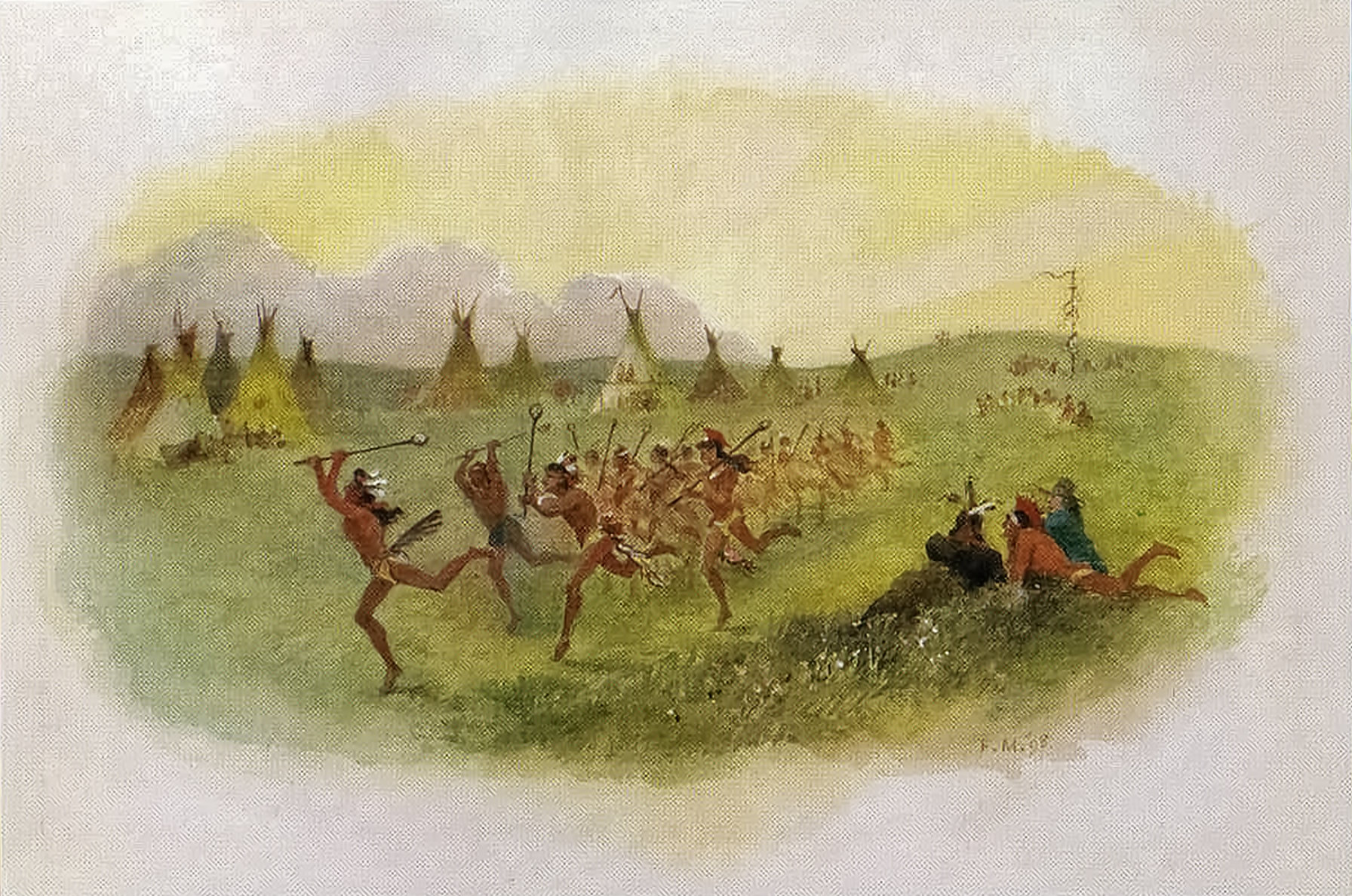
This watercolor by Francis Meyers depicts the Sisseton tribe of the Sioux playing a ball game to celebrate the 1851 Traverse des Sioux treaty signing in St Peter, MN. You can see the one goal post with all the ribbons on it in the background.
Native Rules of the game

The rules of the native game were simple. The hand can not touch the ball at any time. At the start of the game and after every goal a face-off happens at the center of the field where the ball is tossed-up in a circle of opposing players. To score, the ball (made of wood or sewn hide wrapped around clay or animal hair) is carried (cradled) and passed to teammates down the field and eventually shot at the goal so the ball passes thought the goal posts or hits the goal post. Traditionally the field was up to three miles long with no boundaries and body and stick checking were allowed. In the Great Lake region version of the game played in Minnesota the object was to score by hitting the trunk of a tree (goal) or touching it with the ball in your stick. Each team had a goal (tree) anywhere from 1 mile to several hundred yards apart depending on the number of players per team and terrain. Each tree was striped of its branches so only the trunk remained, which made scoring difficult as there was not much to shoot at. Games typically lasted several hours or days.
A Culture Lost
The traditional ball game played by the Ojibawa and Dakota communities ended in the last 90 years dues to the extensive diffusion of traditional culture and the influence of government and religious assimilation policies, gambling and harsh play. However, the stickball “two stick” version is still played by the southern tribes (Choctaw, Cherokee, Seminole, etc) at sun festivals and tribal fairs. The Iroquois never gave up the game and are credited with introducing it to the European settlers over 300 years ago. They have also embraced the modern box and field game and have intertribal box leagues and a men’s field team and under 19 team that represent the Iroquois people in national and international tournaments. The game is still a tremendous source of pride for them.
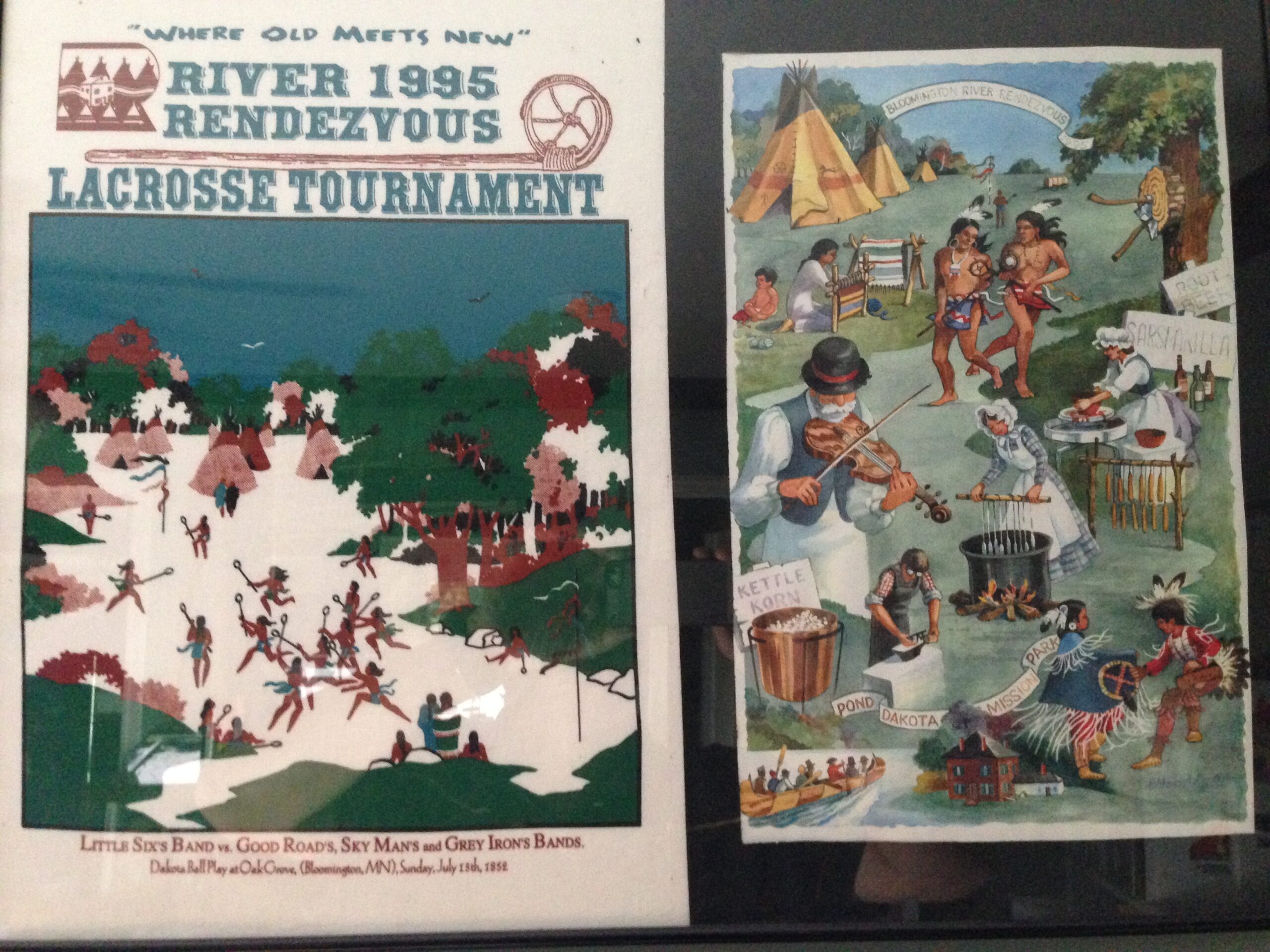
In Minnesota gambling is one of the major reasons that the ball game is not played today by the Great Lakes tribes. So much of their culture was lost when they were forced to integrate and move onto reservations. The government agencies and missionaries banned gambling due to the food and supplies wagered away on lacrosse and other games. There is a famous lacrosse game that took place in Oak Grove, now Bloomington, MN, where missionary Gideon Pond, wrote about a three day long game that took place in 1852 at a fur trader rendezvous. Four local Dakota bands (villages) came together to play a ball game to celebrate the great trading that was taking place between them and the white settlers and fur traders. Pond was impressed by the tremendous skill and stamina the players displayed, but was disheartened by the estimated $50,000 worth of government supplied food and other supplies that were lost by Good Iron’s, Sky Man’s and Grey Iron’s band (from Red Wing, MN) to Chief of the Little Six band/village (from Shakopee).
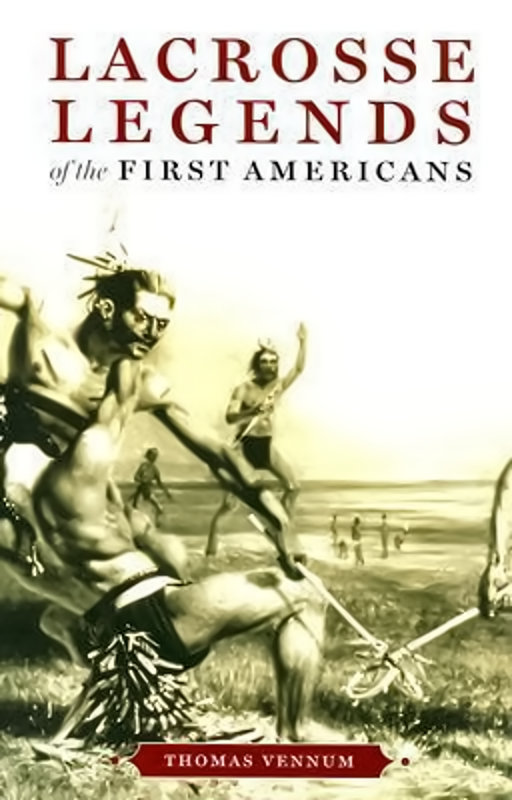
If you are interested in the history of the game there are three great books “Lacrosse Legends” ,”Little Brother of War – American Indian Lacrosse” and “Minnesota Lacrosse A History” the first two were written by former Edina native Thomas Vennum, Jr, a musicologist for the Smithsonian Institute. The last book was written by Savage native J Alan Childs, a father of several lacrosse players and part-time author of other childrens lacrosse related books, Alan is obsessed with the local and national history of the game..
Today’s game
 In the late 1800’s the American and Canadians settlers enthusiasm for the game gave us the rules we use today. Lacrosse was recognized as the national sport of Canada in 1880. It was primarily played on the east coast of Canada and the United States. In 1900 the first men’s club was formed in St Paul and was quickly followed by clubs in Minneapolis, Duluth, Stillwater, Owatonna and Winona. These clubs were made up of mostly easterners and Canadianst hat had played before and moved to Minnesota for logging and other trades. Lacrosse was also an olympic sport back then, It was in the 1904 and 1908 Olympic games. By the end of WWII lacosse faded in popularity, however it came back strong in 1960’s. At the time there were less then 50 colleges and a few eastern prep schools with varsity lacrosse teams in the United States. Today, the number of college varsity teams exceeds 1000 when you include NCAA varsity (Div I, II and III) and MCLA club. Plus, there are literally millions of boy’s and girl’s youth and high school teams. With the advent of mass production the Native made traditional wooden stick went away in the early 1970’s to make way for the plastic and aluminum sticks used today. Thanks to enhanced manufacturing capability the cost of making equipment has made lacrosse even more affordable to the masses. However, there are still a few wooden stick makers out their. In Minnesota the Dakota and Ojibwa style sticks are still made. In the south the Seminole, Choctaw, Cherokee and other southern tribes still make and play the two stick game. In Upstate NY the Iroquois have never stopped playing with their traditional wooden sticks in Canadian box lacrosse leagues as the Iroquois have never stopped playing.
The Creator’s Game Today
Twin Cities Native Lacrosse
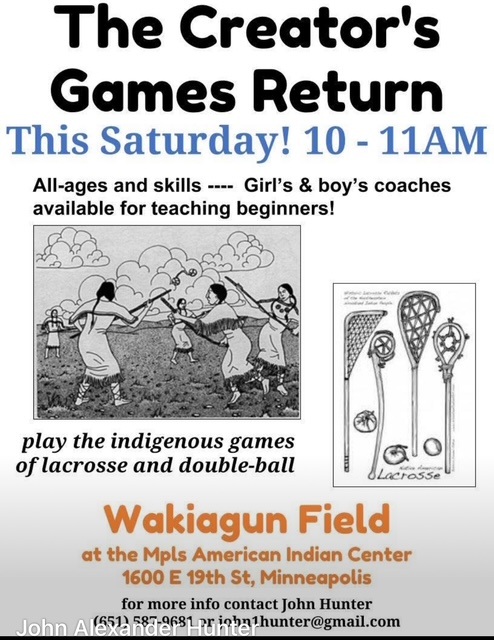
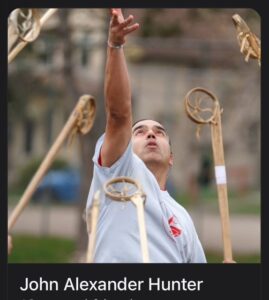
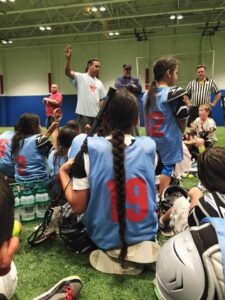
We are a sovereign Native Lacrosse Association based in the Twin Cities and extend across the Midwest. We work to advance the culture, knowledge and skills of lacrosse, of our people and our game. John Hunter founded Twin Cities Native Lacrosse in 2014. Our mission is to create youth lacrosse teams of Native girl’s and boy’s of all ages and teach them the culture and skills of the creators game in both its old and new forms. One day, we hope to invite Native teams from all across the Midwest to play in the Twin Cities. John holds tradional wooden stick clinics, games/gatherings and tournaments throughout the Twin Cities where all are welcome.
For more information about Twin Cities Native Lacrosse contact founder, John Hunter at tc.native.lacrosse@gmail.com or visit their Facebook page
Lax-4-Life Camp
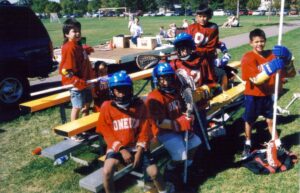
The Lax-4-Life Camp is an annual summer camp run by the Brookston Community in partnership with the Indigenous Lacrosse Alliance (a program run by Homegrown Lacrosse to grow and develop Native participation in lacrosse).
Developed in 2009 to promote wellness among indigenous youth, campers participate in a number of sessions designed to promote physical fitness, nutrition, social and emotional health, in addition to learning lacrosse skills and concepts. Past highlights include camp include traditional Native wood stick lacrosse games and a capstone banquet. The camp changes locations each summer and is held in early August. Tribal and urban Indian communities that have attended the camp include Fond Du Lac Band of Lake Superior Chippewa, Prairie Island Community, Onieda Nation, Little Earth of United Tribes, Lac Courte Oreilles Band of Lake Superior Chippewa, Grand Portage Reservation, White Earth Nation, Mille Lacs Band of Ojibwe, Red Lake Nation, Navajo Nation, Paiute Tribe of Utah and Ho Chunk Nation.
For more information and details on how to register contact Corbyn Toe, Director of the Ingenious Lacrosse Alliance at corbyn@homegrownlacrosse.org or visit the www.homegroenlacrosse.org website.

Indigenous Lacrosse Alliance
The Indigenous Lacrosse Alliance (ILA) works alongside Indigenous peoples and organizations to revitalize lacrosse in tribal and urban Indian communities in Minnesota and the surrounding States.Developed in 2022 as an outgrowth of a strategic planning committee of Native community leaders, coaches, and players convened to answer one question: How can we help create sustainable lacrosse programs within every Native community in the region in the next 3-5 years?
Our Mission is to expand access and opportunity for Indigenous communities to play lacrosse and improve the health and well-being of Indigenous youth. Our Vision is for all Indigenous youth to have access to the traditional and modern sports of lacrosse and empower them to build healthy Indigenous communities.
Our Commitments:
-
Put Indigenous youth first and prioritize their needs.
-
Honor and respect the community as the best decision-makers for their youth.
-
Recognize and respect that leaders come in many forms and leadership in many styles.
-
Adapt to best meet the diverse needs of communities and their youth.
-
Grow through partnership, reflection, and accountability.
For more information contact Corbyn Toe, Director of the Ingenious Lacrosse Alliance at corbyn@homegrownlacrosse.org or visit the www.homegroenlacrosse.org website.
It’s part of us again!
Lacrosse in all its forms
Here are six types of lacrosse being played today in the Midwst.
MN Men’s College & Club 1980’s to 2010
There was only one men’s college team and two men’s clubs in the early1980’s. The Twin Cities Men’s Club (TCLC) was started in 1976 by Dave White who brought a small group of post college players together and Jules Santa who had a group of college players from the U of M. The two groups combined to make the TCLC and played against other teams in the Great Plains Lacrosse Association which included North Dakota, Iowa State, UW-Madison, Knox College, Ripon, Western Illinois, Beloit and a few others. The closest competition back then was 4-7 hours away in No Dakota, Wisconsin, Illinois and Iowa. The team went through several name changes due to sponsorship including Pete’s Wicked Ale and The MN Chill.
The Minneapolis Lacrosse Club (MLC) was started in 1988 by Keith Burke Titus Song, Carleton grads and Chris “Boomer” Smith a St John’s Grad who didn’t want to play with TCLC. The club changed its name in the late 1990’s to the Uptown Lacrosse club, but went back to the MLC in 2000.
On the college level Carleton the first program started in 1981 by Keith Burke and Bruce Wall. Both the St Thomas program, founded by Chris Larson and St Johns program founded Carl Koller were started in 1985 and first competed in 1986. The Upper Midwest Lacrosse League (UMLL) was started in 1991 and contested its first championship in 1993 (won by Gustavus Adolphus). Founders included Stan Shei, Rob Graff and Chris Larson.
Men’s College team formation timeline:
1981 – Carleton College
1985 – St John’s and St Thomas
1991 –U of M-Twin Cities, Gustavus Adolphus, MN State Mankato,
1993 – U of M-Duluth, St Mary’s, St Cloud State
1996 – Bethel, U of M-Moorhead, St Olaf
2006 – Augsburg
2011 – Hamline, Macalester, Concordia (St Paul)
2012 – 2025 (help us fill in the gaps)
OUT STATE TEAMS IN THE UMLL: Iowa State, UW-Eau Claire, UW-White Water, UW-LaCrosse

MN Women’s College & Club 1980’s to 2010
The first women’s club was run by Mary Scott Hunter and Janet Holdsworth, Deb Woods and? The North Central Women’s Lacrosse League was formed in ____? By _____
Women’s College team formation timeline:
Augsburg – Formed in ? (moved from club to Div 3 ?)
Carleton – Formed in ?
Concordia U St Paul Formed in? (moved from club to Div 2 ?)
U of M – Formed in ?
Bethel – Formed in ?
St Cloud State – Formed in ?
U of M – Duluth – Formed in ?
College of St Benedicts- Formed in ? (moved from club to Div 3 ?)
St Thomas – Formed in ?
St Olaf – Formed in ?
Hamline – Formed in ? (moved from club to Div 3 ?)
Gustavus Adolphus – Formed in ?
MN State Moorhead – Formed in ?
Winona State – Formed in ?
St Mary’s- Formed in ?
Concordia Moorhead – Formed in ?
Colleges playing in the NCWLL outside of Minnesota:
Ripon,
No Dakota State,
UW- River Fall,
UW – Stout,
UW- LaCrosse,
UW – Madison,
and Iowa.
The formation of the Minnesota Lacrosse Association
In 1992 Mark Hellenack moved to Minnesota with a job transfer and took his experience from running the Lacrosse Foundation NJ Chapter and started the MN Lacrosse Association (MN Chapter of US Lacrosse). The first step was pulling together like mined individuals that wanted to see the game promoted and grow in the land of 10,000 lakes. From there the first seeds of youth and high school lacrosse were planted.
Here are some of the MLA’s first board members:

Mark Hellenack – President/Exec Dir
Art Ayers – VP/Pres
Howard Rogers – Tres/Pres
Mary Scott Hunter – Women’s Rep/Web
Chris Duca – Women’s Rep
Rob Graff – Men’s Club Rep
Chris Larson – Men’s College
Debra Wood – Girls HS/Umpires
Janet Holdsworth – Women’s Rep/Girls HS
Dave Rundquist – Officials
Matt Dempsey – Officials/Pres
Mike Livingston – Web
Photo – Mark Hellenack at a intro to lacrosse clinic at North Jr High in Hopkins
The legacy I want to leave behind is that under my administration of the MLA (1993-2005) we got things started and grew the game at a tremendous rate. In 2001 the MLA/ MN Chapter of US Lacrosse had the 3rd highest increase 71% of member growth in the nation and 45% increase in high school players. The funding for the MLA back then was generated by a rebate of one dollar for each Minnesota member of US Lacrosse, in addition to revenue generated by the leagues and clinics we would run. So, the more things we ran and members we had, the larger our budget would be.
We communicated with our members with the annual “Minnesota Lacrosse” newsletter and then eventually moved to the mnlarosse.org website, which ate up all the member Lacrosse Foundation/US Lacrosse rebate money in our budget. The revenue from box and field leagues, coaches, officials and player clinics, tournaments and camps funded the first All-Star weekend, Spectators Guide, the small stipend I was paid to be the executive director and run everything, the in school clinics, stick and video loaner program, MN Chill Travel team scholarships, Hall of Fame banquet and everything else we tried to do.
My primary focus was on growing the game and always has been. I remember teaching lacrosse in local gym classes all over the metro area and following them up with clinics and team registration in the school cafeteria. The trick to growing the sport was to motivate and support others (parents and students) to do the same thing in their community. Once they generated enough interest, the MLA would provide a League for them to compete in.
As the sport continued to grow the administration of the various levels of the sport began to split off from the MLA. During the years of 2002-2004 the girl’s high school coaches formed North Central School Girls Lacrosse Association, while the boy’s coaches formed the (MSBLA) MN Boy’s Scholastic Lacrosse Association and a group of motivated parents started (YLM) Youth Lacrosse Minnesota for youth boys summer field lacrosse and the ( MSSLA) Mpls & St. Paul Middle School Lacrosse Association for girls youth. It was natural for all of these groups to be formed to address the growing needs of their players, coaches and community associations. One person could not do it all.
My administration of the MLA ended in 2004 when the national governing body (US Lacrosse) demanding that the Chapter focus less on running things (leagues, camps, clinics and tournaments) and more on the equal distribution of the chapter membership rebate money to all the constituents. So, the new board was formed to focus on that. From that point on I took the leagues and other events I was running and formed Lax Loons.
Today the MLA provides a website, a stick donation program, financial assistance to college teams making it to National Championships and events like the annual Laxtravaganza All-Star Game, the Hot-Dish fund raiser Tournament for the American Cancer Society, which I am happy to still run. The problem is that funding for the MLA is limited because it only comes from the one dollar rebate received for each Minnesota member of US Lacrosse. This does not add up to much of a budget to do anything with.
The only regret I have is that I was not able to help keep all the organizations under one umbrella organization similar to the model used by soccer. US Soccer has a more hands on role with it’s state run MN Youth Soccer Associations providing a full-time paid staff to run leagues, development clinics for players, officials and coaches and promote, fund and start Men’s and Women’s association/programs throughout the state at all age levels.
As mentioned, the MLA’s role in accomplishing this sort of growth has been hampered by lack of a budget and staff to make it happen. However, there is a plan to grow lacrosse statewide and interesting enough it comes from the MBSLA (run the Boys H.S. club league and Youth Spring Leagues). With the money generated from MBSLA team and association dues, MBSLA President Kevin Reed has put together a funding initiative to pay college and club player to go to out-state Minnesota middle and high schools to teach the game in gym classes for a week, followed by a clinic and player sign ups for the spring. This tried and true systematic approach will help start youth associations and high school programs throughout the state. He is even reaching out to the YLM and MSSLA to start boys and girls youth in-school clinics and programs.
The growth and development of the game in Minnesota would happen even faster and reach more potential players quicker if all the organizations (HomeGrown, MLA, MBSLA, MSSLA, MSHSL, YLM, etc.) were to pool their resources and work together on one plan to grow both Men’s & Women’s game.
Some of the events, clinics, camps and tournaments that the MLA was responsible for in the early years:
1993
- MN Chapter Indoor Box League formed @ the Hopkins Pavilion
- MN Chapter Stick Loaner program
1994
- MN Chapter Indoor Box League formed @ Hayes Arena
- MN Chapter Four Winds School “Baggatawawin” Clinic and Club Exhibition Game
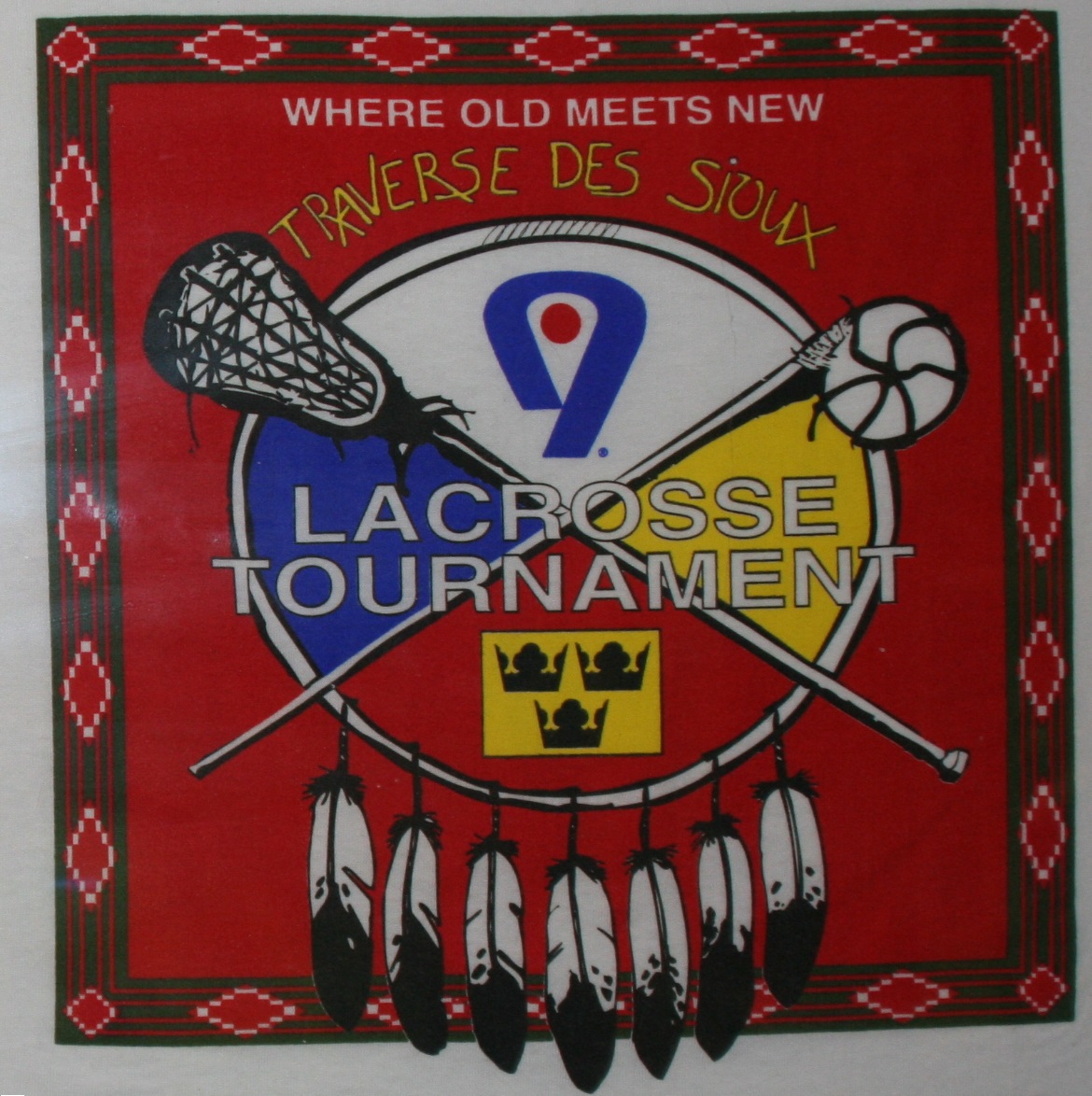
- Travers Des Sioux Tournament & native game re-enactment in St Peter, MN
1995
- The River Rendezvous Tournament @ Pond Dakota Mission Pk in Bloomington, MN
- The first MLA high school boys and girls field Lacrosse games are played
1996
- MN Summer Boys Lacrosse Camp & League
- First MLA Men’s & Boys Lacrosse Coaches Clinic @ Hayes Arena
- First MLA Womens & Girls Lacrosse Coaches Clinic @ Bethel College
- The first Boys HS League is formed and sponsored by Grow Biz (Play it again sports)
- MN u13 and u16 Native lacrosse teams formed by Dan Ninham of Bemidji for Indigenous Games played @ NSC in Blaine
- The first MN Chill Boys HS select team competes in Vail Colorado
1997
- Inner City Native American youth box team formed at Little Earth in Minneapolis
1998
- MN Chill U14 & U12 trip to National Jr. Lacrosse Assoc Tournament & World Games in Baltimore
1999
- MN Chill U15 trip to STX Youth Festival in Albany, NY
- MLA run first MN Chill/Brine girls & boys Camp at Holy Angels
- MLA Boys Youth Summer League at Eisenhower Elem School in Hopkins
- MLA Boys & Girls HS All-Star Game at Holy Angels
- The NorthCentral School Girls Lacrosse Association is formed
2001
MLA Face off Fundraiser Banquet @ Edinburgh Golf Club in Brooklyn Park.
2004
- First HotDish Classic Tournament Fundraiser for the American Cancer Society @ Noble Sports Park in Brooklyn Pk
2005
- First MLA run Laxtravaganza All-Star game @ Holy Angels
- 2nd HotDish Classic Tournament Fundraiser for the American Cancer Society @ Noble Sports Park in Brooklyn Pk.
2006
- 3rd HotDish Classic Tournament Fundraiser for the American Cancer Society @ Noble Sports Park in Brooklyn Pk.
- Second MLA run Laxtravaganza All-Star game @ Holy Angels
BOX STARTED IT ALL
I stared high school and youth with box lacrosse due to the fact that fields were not available initially and turf covered hockey arenas were. In the spring of 1993 Mark arranged for indoor time at the Hopkins Pavilion and started promoting lacrosse with a series of introductory clinics at local schools during gym classes. Field lacrosse would follow, but in the first attempt to grow the sport he felt it was better to use Box because you only needed 5 players and it was similar to hockey. We used arenas because the hockey kids (target market) were familiar with it, it had bathrooms, goals, lockers and the ball never really went out of bounds. The first league was at the Hopkins Pavilion n 1993 and the second started in 1994 at the Hayes Arena in Apple Valley. The games tended to be more about hitting and starting fights due to the hockey background most of the kids had, but then lacrosse skills and a sense for the concepts of the game started to take over soon after. We expanded the age levels to include 7-8th and 5-6th and continued to run the youth age level leagues indoors as the high school game started to move outdoors.

BOYS FIELD
The first three boy’s high school outdoor field lacrosse teams were stated in 1995. They consisted of the “Valley” team with players from Burnsville, Apple Valley, Eagan and Eastview, the “Tonka” team with layers from Minnetonka, Hopkins, Eden Prairie, St Louis Pk, Mpls and Plymouth and the “Breck” team which was the first prep school team in MN with all Breck students. I remember sitting in the office of John Thiel then the athletic director at Breck who had played lacrosse in college at Amherst, as we discussed scheduling and splitting the cost of goals between the three teams. He was one of the first athletic directors behind making lacrosse a varsity sport in Minnesota. John had a personal interest in lacrosse as his son went onto play at Breck and then in college.
The boys high school club teams continued to grow at 2-4 teams a year as more and more kids wanted to have teams at their school. The first official Boys H.S. State Championship was held in Mankato in 1997 with Cooper, Hopkins, Orono, Mankato, Richfield, Roseville, and Breck. The (MBSLA) MN Boys Scholastic Lacrosse Association was formed in 2002 by the high school league coaches. I was president for the first few years, followed by Scott Cater of Bloomington Jeff, Tim Moulton of Eden Prairie, Hank Marotske of Blake, Tim Roche of Eastview and now Kevin Reed of St Louis Park.

THE PUSH FOR BOYS VARSITY
After several years of trying, Howard Rogers president of the MLA with help from parents and coaches, was able to get the MN State High School League (MSHSL) to elevate boys lacrosse to varsity status in 2007.
Presently the MBSLA runs the high school club league and all the Fesh So, 7-8th and 5-6th grade spring season leagues. As of the spring of 2010 in MN there are 23 MBSLA (club teams) and 52 MSHSL (boys varsity) teams.
High School Field Lacrosse Team formation timeline
1995 – Breck, Tonka, Valley
1996 – No West Hawks (Cooper), Hopkins,
1997 –Mankato, Minnetonka, Orono, Roseville, Richfield, Wayzata, St Paul, Apple Valley
1998 – Bloom Jeff, Eden Prairie,
1999 –Edina, Dakota LC (Eagan) Hastings, Holy Angels,
2000 – Moundsview (No Suburban), RAVE (AV, Eagan, Eastview) Bloom Kenn, Totino Grace, Lakeville,
2001 – St Paul Acad, St Thomas Acad, Blake, Benilde St Margaret, Mahtomedi,
2002 –St Cloud Tech, Shattuck St Marys, Osseo, Chaska, Armstrong, Minneapolis SW,
2003 –Irondale, Eagan, Eastview, Apple Valley, White Bear Lk,
2004 –Monticello (Montiquois), Duluth/Superior,
2005 – Hill Murray, Woodbury, Stillwater, Centennial, Maple Grove, Buffalo,
2006 – Prior Lk, Rochester Area, Champlin Pk, Burnsville, Rosemount
2007 – Andover, Blaine, Coon Rapids, Anoka, Owatonna, St Louis Pk,
2008 – Forest Lk, Trinity, Spring Lake Pk, Elk River, Henry Sibley, Delano, Farmington
2009 – Holy Family, Shakopee, Grand Rapids, Rochester Mayo, Rochester John Marshall, Rochester Century. Simley, So Washington County, Lakeville No, Lakeville So,
2010 – Brainerd, St Cloud No, St Cloud No., Tarton, No St Paul,
2011-2015 Need list of teams that were added each year
GIRLS FIELD
Girls high school really started with the development of the North Central School Girls Lacrosse Association started by Mary Scott Hunter, Janet Holdsworth (Hopkins/U of M) and Deb Woods (Blake). Lacrosse was taken to the MN State High school League varsity level in 2002.

Girls HS team formation Timeline
1994 – Blake
1995 –
1965 – Eden Prairie), Hopkins
1997 – Cooper, Holy Angels
1998 – Bloomington Jefferson
1999 – Bloomington Kennedy, Mahtomedi, St. Louis Park, Mankato
2000 – Totino-Grace, North Suburban, Orono, Roseville, Minnehaha Academy, Benilde-St. Margaret’s, Hastings
2001 – Edina, Anoka, Armstrong, Prior Lake, Lakeville, Shattuck-St. Mary’s
2002 – Chaska , St. Cloud Tech, Stillwater
2003 – Breck, Centennial, Minnetonka , Osseo, RAVE, Visitation
2004 – Andover, Duluth, Maple Grove, Mound Westonka, White Bear Lake
2005 – Cretin Derham-Hall, Hill Murray, Monticello, Wayzata, Woodbury
2006 – Becker, Rochester, Minneapolis, Elk River, Owatonna, Buffalo
2007 – 2025 Need list of teams that were added each year
YOUTH GIRLS
The Middle School Schoolgirls Lacrosse Association (MSSLax), founded in 2003, organizes and supports middle school age schoolgirls’ lacrosse leagues. Not sure who founded it. Please let us know?
WEBSITE UPDATES….Send your history and team List page updates and corrections to Alan Childs our Lacrosse Historian, board member and author of many lacrosse history and childrens books Contact him at: mnlaxhalloffamemedia@gmail.com
Minnesotan’s who helped get Lacrosse started:
Dave White – helped start the Twin Cities LC and is one of Minnesota’s first officials, official’s assigner and trainer and mentor others.
Tom Klein – Helped form the first Minnesota Lacrosse Officials Association the 90’s.
Brad Scibak – a Canadian from Winnipeg who official that moved to MN and help organize, assign and train college officials.
Harold Buck – a former player, fencing instructor and Physics teacher at the Blake School helped organize, improve and administrate youth and high school officials training and assigning.
Matt Dempsey – played at St Mary’s and then helped run the officials organization and also was the president of the MLA and helped start the U of St Thomas.
Daren Yates – took on task of being the first UMLL assigner and nationally recognized official.
Howard Rogers – served as the MLA president for several terms and single handedly got boys H.S. lacrosse to be a MSHSL sanctioned sport in 2002.
Tom Lauer, Ray Moles & John Wolff – These dad’s started the YLM summer outdoor field lacrosse League for boys and girls youth in 2002.
Janet & Dave Holdsworth – started the North Central School Girls Lacrosse Association, served on the first MLA board. Janet coached Hopkins HS to several state Championships and coaches at the U of M. She also played for the TC Women’s LC.
Mary Scott Hunter – served on the firs MLA board, helped start and promote girls high school and women’s college lacrosse.
Art Ayers – helped start lacrosse in Mankato, coached Mankato East & Mankato St and served on the MLA board. Also coaches and ran the MN Chill All-Star teams the MLA sent to Vail to represent Minnesota from 1999-2002.
Chris Larson – started the Upper Midwest Lacrosse League and served at the MCLA secretary for many years. He also has coached at the U of M, MN Chill College All-Star team and served on the first MLA board. He played at U of St Thomas and the Twin Cities LC and presently is a well respected high school and college official.
Rob Graff – played at Harvard, assistant coached at Temple and was the longtime coach at powerhouse U of M Duluth. Rob helped start the Upper Midwest Lacrosse League. He also played for and ran the Twin Cities LC, served on the first MLA board and coached the MN Chill college all-Star team. He is presently coaching his sons 7-8th grade team in Bloomigton.
Judy Baxter – this former Lehigh women’s lax coach took the Eden Prairie girls HS team to several championships and started some of the first women’s lax coaching and player clinics/camps.
Kevin Reed – served as MBSLA president for three terms and coached St Louis Park HS to a MBSLA state Championships. Under his leadership the youth 3-4, 5-6th and 7-8th grade spring youth league and Freshman/Soph League have flourished and the high school club league continues to promote the grow lacrosse and add new teams each year.
Hank Marotske – served as the MBSLA president for two terms and started the boys HS programs at Holy Angels, Irondale/Moundsview and Blake. He played at U St Thomas and for the Mpls LC and is presently the head coach at Breck. Hank also started the MN Elite travel team with Justin Hobin the head coach of Totino Grace and Blake parent Shay Johnson.
Tim Moulton – served as the MBSLA president one term, was the head coach at EPHS and started the Eden Prairie Quick Stix youth travel team.
Mark Hellenack – coached at Hopkins HS from 95-02 and won state title in 97 and 98 and then coaches at St John’s from 2003 to 2008 (6 seasons) with a record of 70-23 with 4 UMLL titles and two 2nd place finishes at the MCLA National Championships. He ran the MLA from its inception in 93 to 04 and was the driving force in the growth of the game in MN. He is in the NJ Lacrosse Hall of Fame for starting the US Lacrosse/Lacrosse Foundation NJ Chapter there in 1984. Mark now officiates and runs MN Lax Loons summer, winter and fall leagues, camps, coach & player clinics, the Hot-Dish fall tournament, MN 100 Recruit Showcase, the Loons U17 summer travel team.
Ian Flam – started NorthStar Lacrosse, the first lacrosse only store in Hopkins in the late 1990’s. He was also responsible for bring high profile college div I coaches to the successful Lacrosse Academy camps he runs. He also helps run the MN Elite travel teams that represent MN at recruit showcases throughout the country.
Daniel & Aron Lipkin – started HomeGrown Lacrosse in 2007 along with Colin Achenbach (Minnesota’s first high school All-American (Apple Valley – RAVE) and college All-American at CW Post). The Lipkins have taken on the task of promoting and developing inner-city lacrosse in Minneapolis and running clinics, camps and leagues throughout the Twin Cities.
USA Lacrosse National Lacrosse Hall of Fame & Museum